
Copyright: © 2026 by the authors. Licensee: Pirogov University.
This article is an open access article distributed under the terms and conditions of the Creative Commons Attribution license (CC BY).
This article is an open access article distributed under the terms and conditions of the Creative Commons Attribution license (CC BY).
REVIEW
Boron-containing compounds in medicinal chemistry: amine-borane adducts
About authors
1 NN Vorozhtsov Novosibirsk Institute of Organic Chemistry, Novosibirsk, Russia
2 Novosibirsk State University, Novosibirsk, Russia
Correspondence should be addressed: Olga I. Yarovaya
Academician Lavrentiev Pr., 9, Novosibirsk, 630090, Russia; ur.relbmar@rayo
Received: 2025-12-29
Accepted: 2026-05-07
Published online: 2026-05-30
|
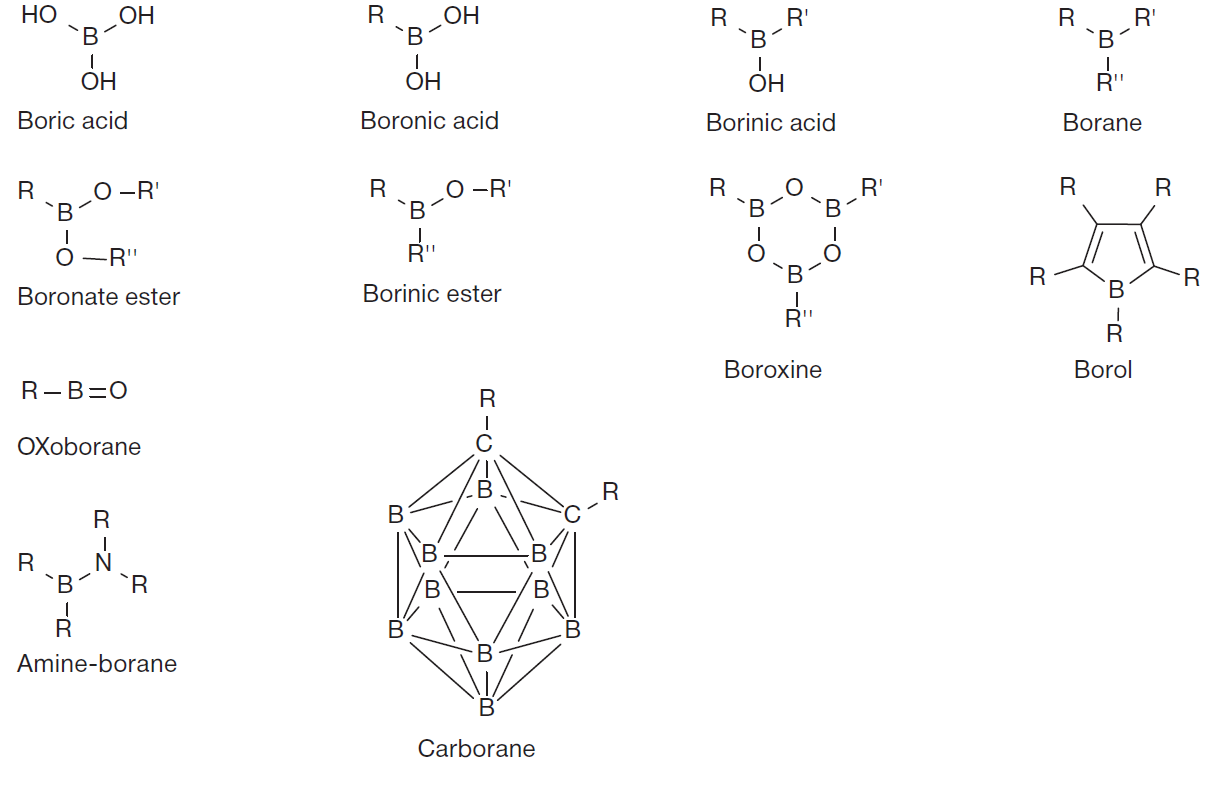
Fig. 1. General structures of organoborane compounds
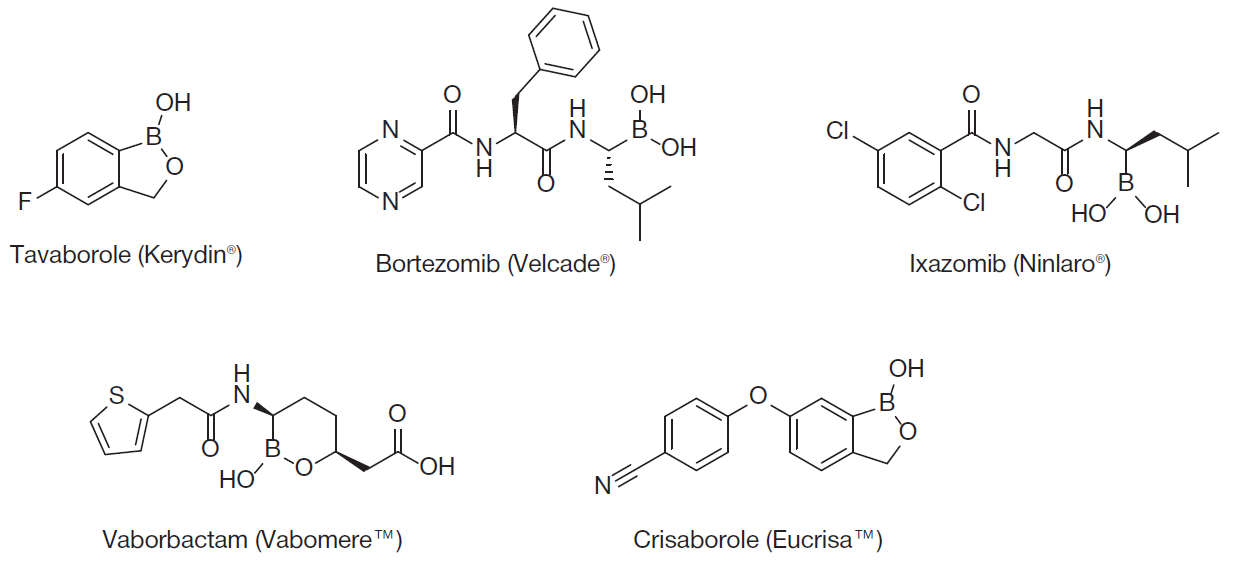
Fig. 2. Chemical structures of boron-containing medicines approved by the FDA
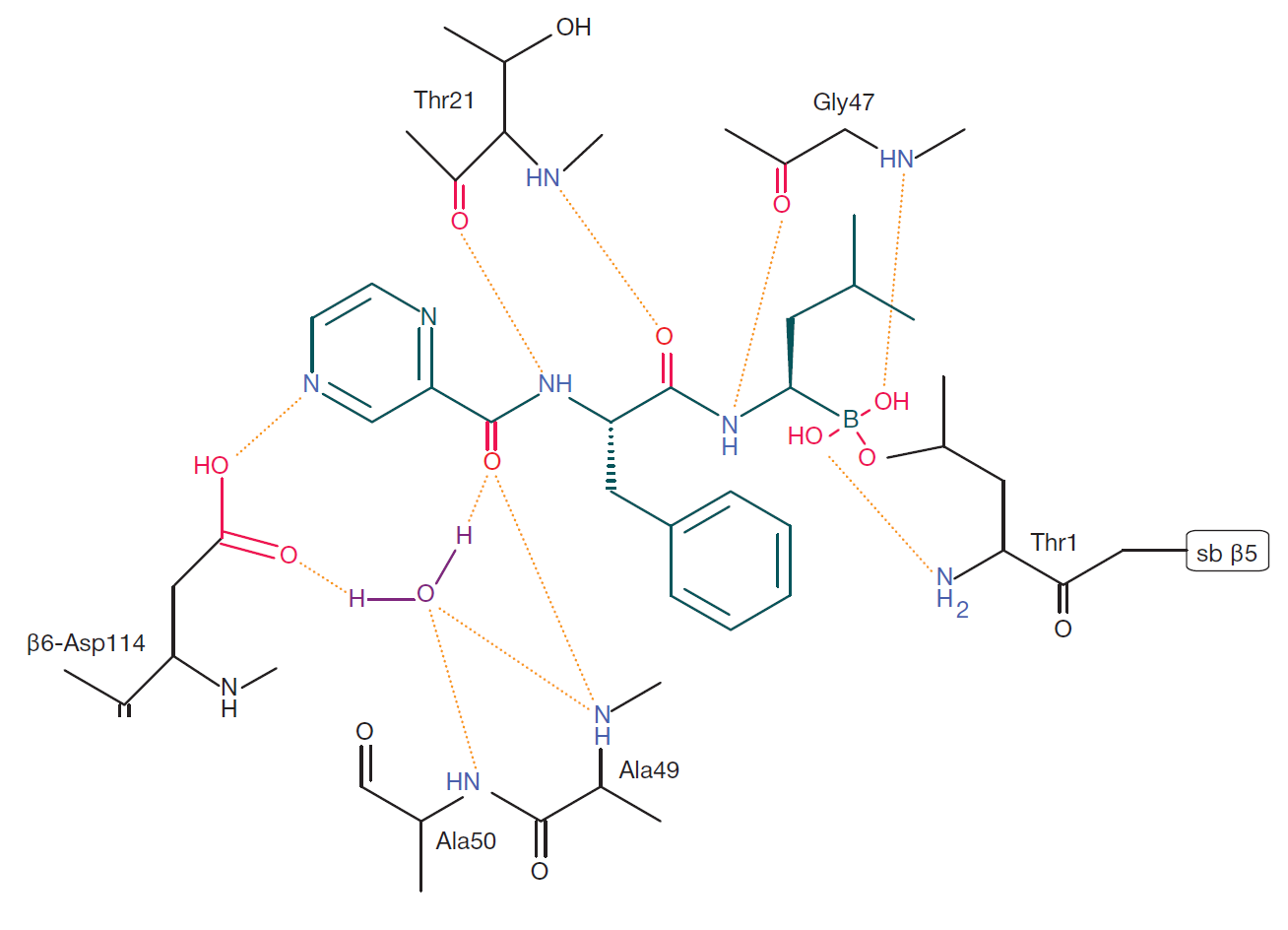
Fig. 3. Scheme of reversible covalent binding of bortezomib with catalytic threonine (Thr1) of the β5 subunit of the proteasome
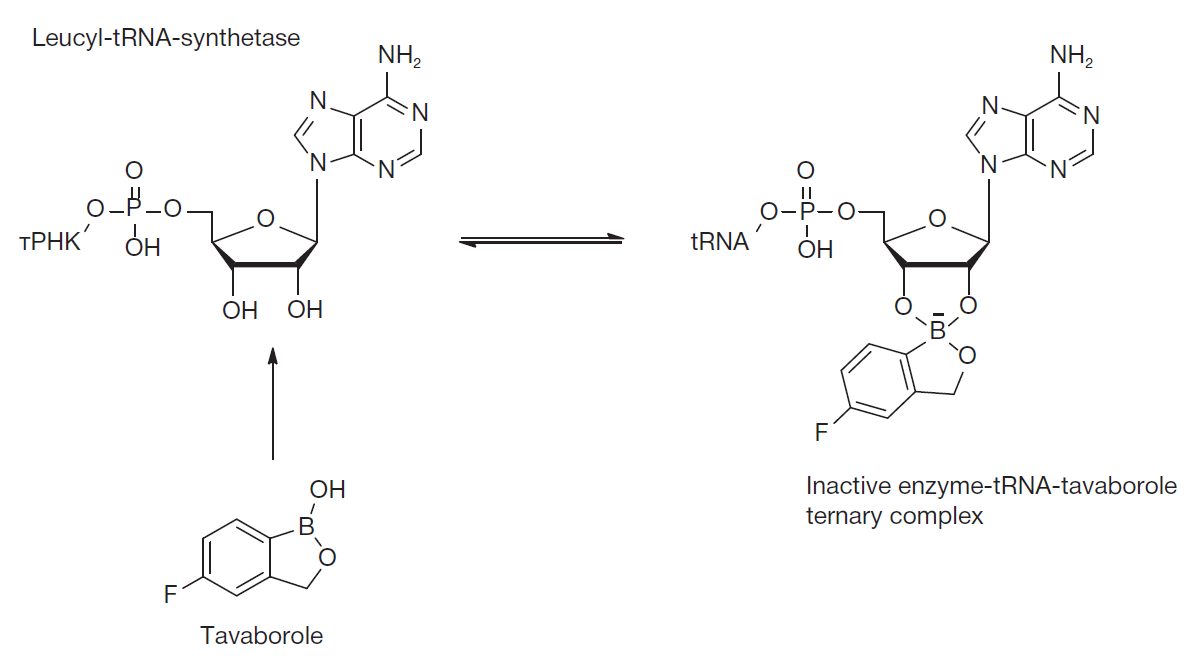
Fig. 4. Inhibition of leucyl-tRNA synthetase by tavaborole by binding to the tRNA editing site
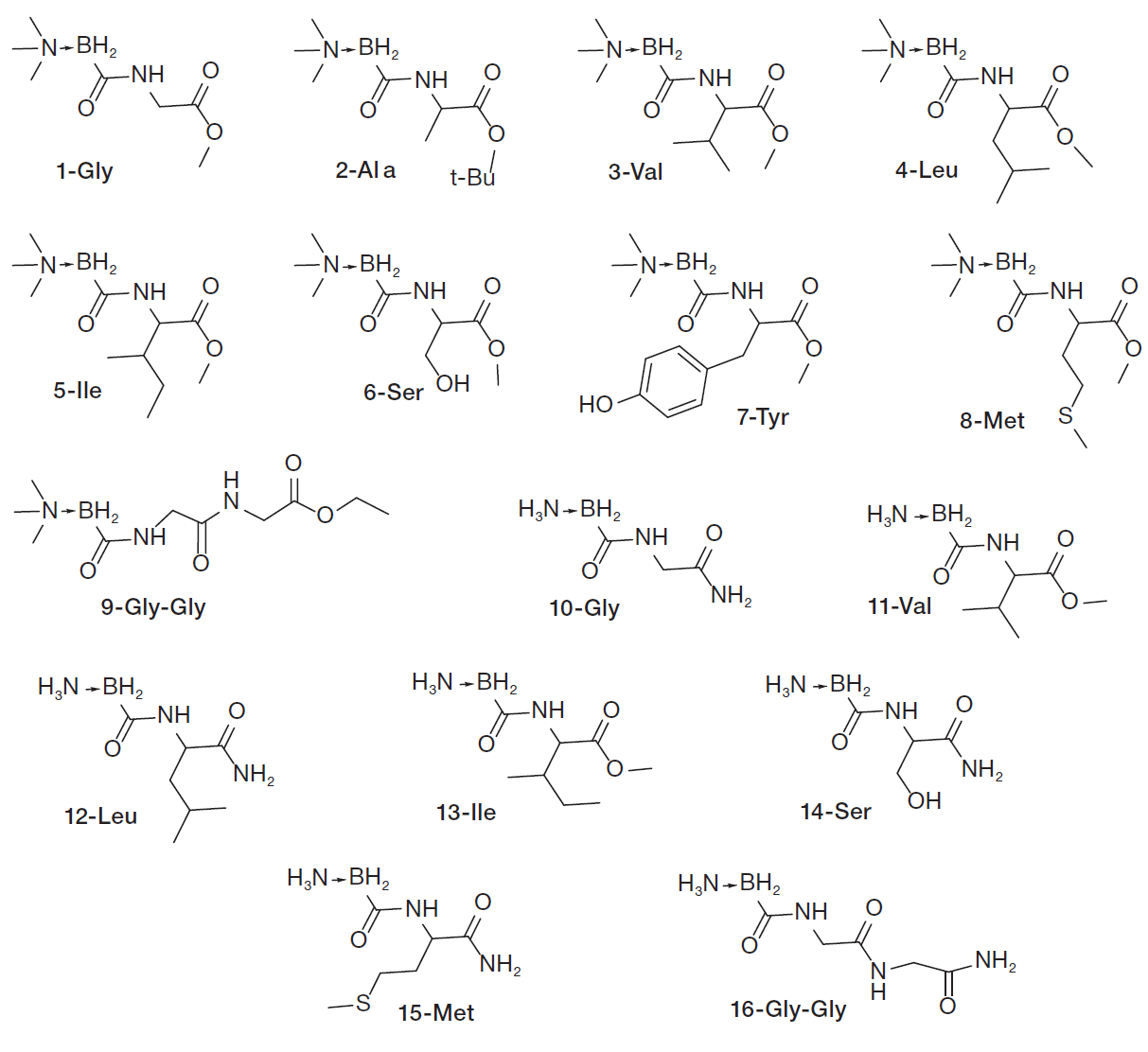
Fig. 5. Structures of amine-borane adducts with α-amino acids
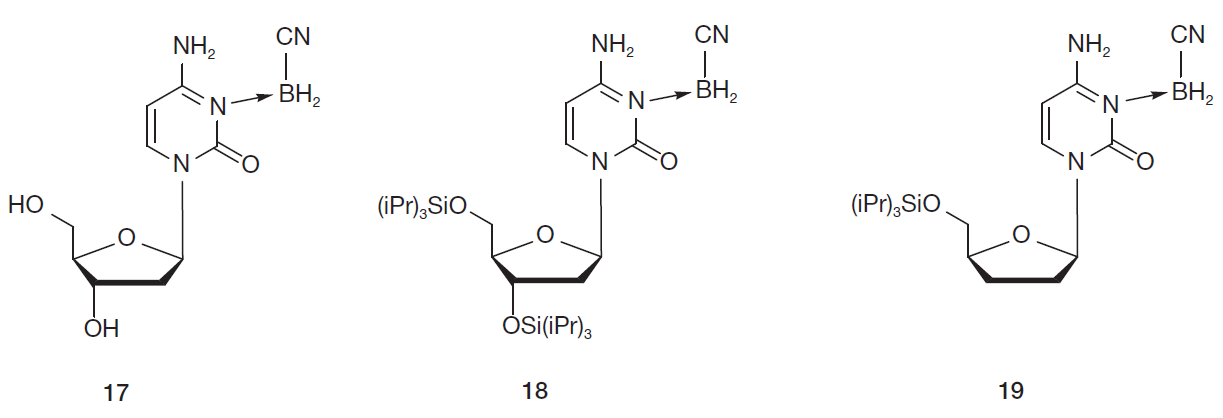
Fig. 6. Structural formulas of borane adducts of nucleosides
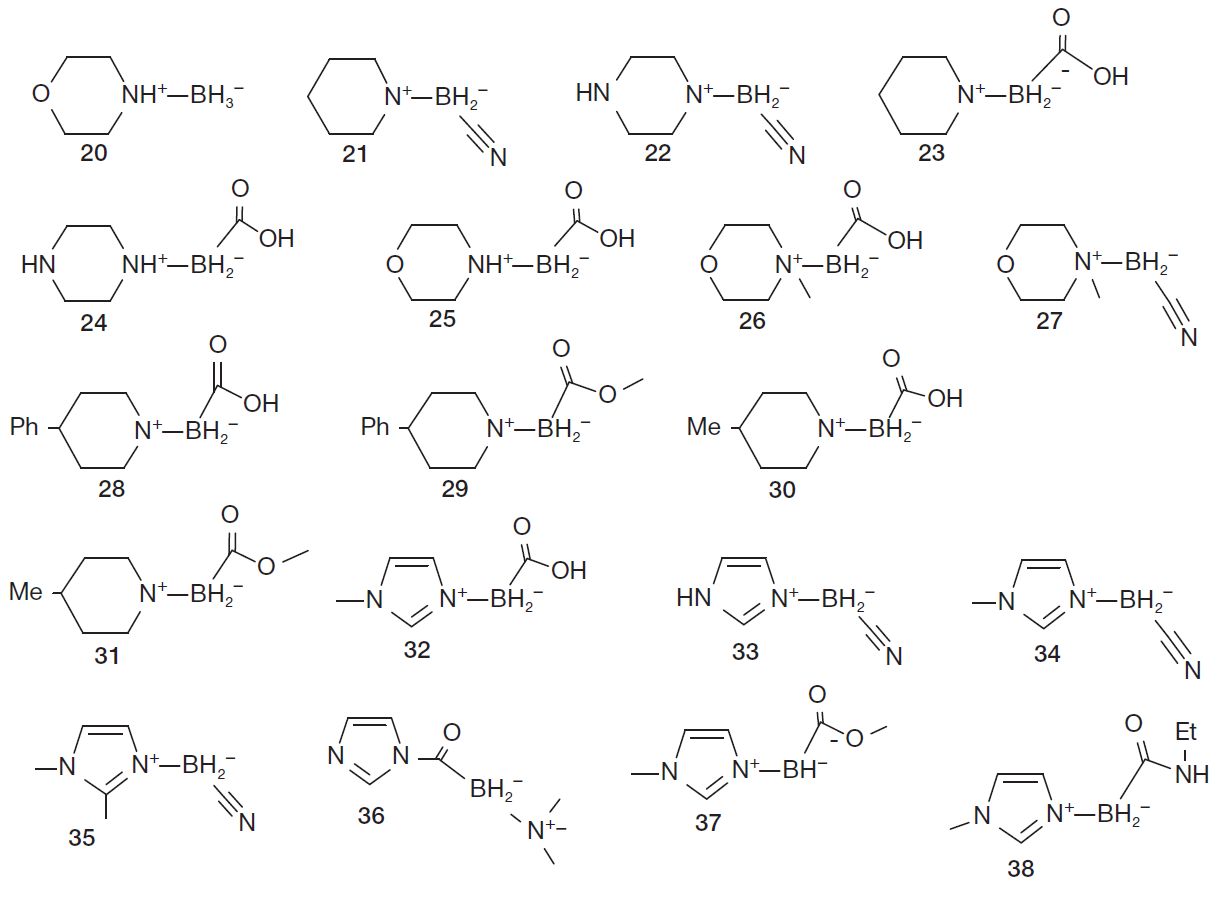
Fig. 7. Structures of amine-borane adducts 20–38
Table
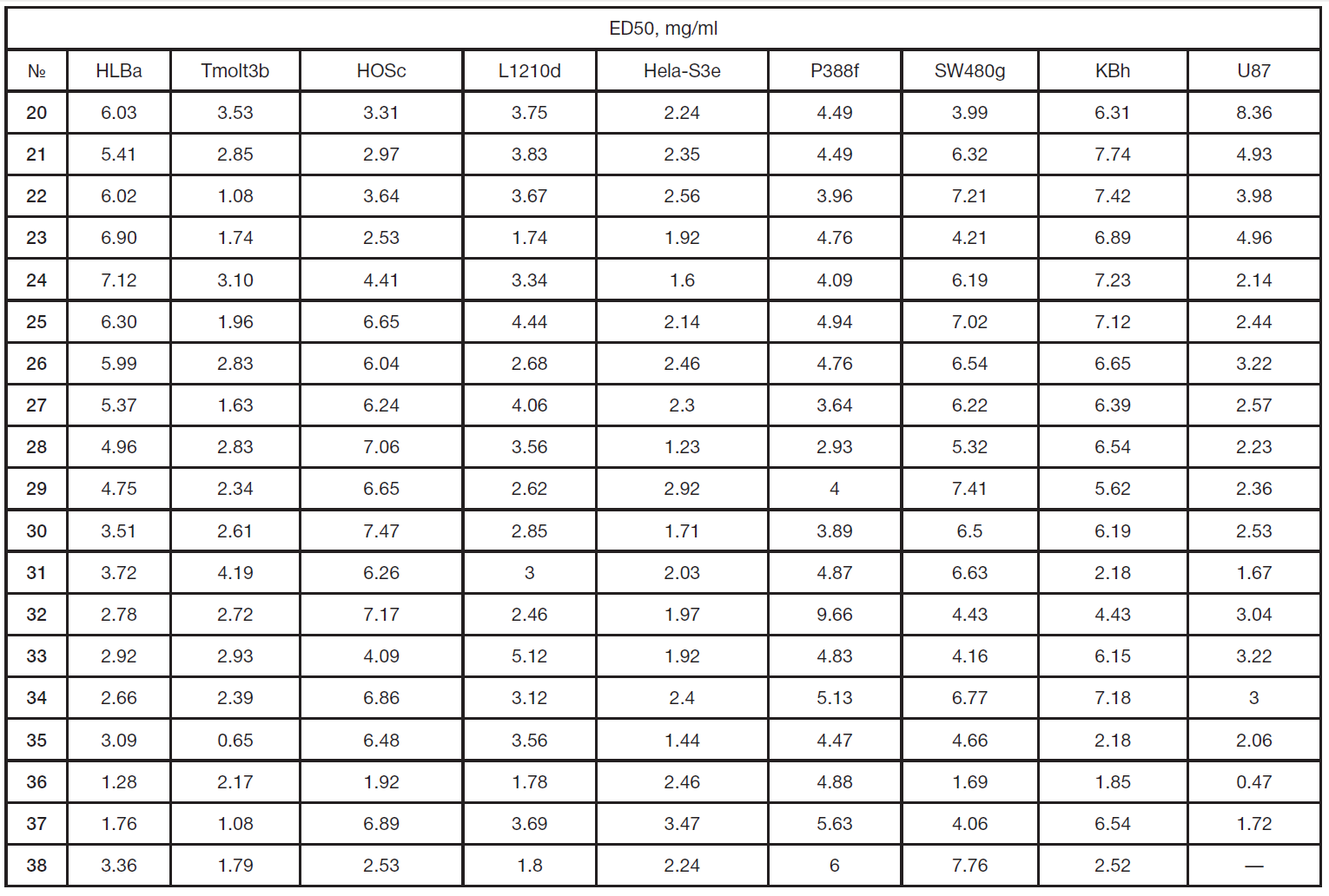
aHLB, Human Lung Bronchogenic, bronchogenic carcinoma; bTmolt3, Human Lymphocyte Tmolt3, molt3 cellular line, a model for the study of T-cell leukemia obtained from leukemic cells of a patient with acute lymphoblastic leukemia in the stage of recurrence; cHOS — human osteosarcoma cell line. dL1210 — mouse lymphoid leukemia line L1210. eHela-S3 — epithelial cells derived from cervical carcinoma. fP388 is a transferable mouse model of acute lymphoblastic leukemia. gSW480 is a human colon cancer cell line. hKB is a cell line used in oral cancer research. iU87 is a human glioblastoma line.