
Copyright: © 2026 by the authors. Licensee: Pirogov University.
This article is an open access article distributed under the terms and conditions of the Creative Commons Attribution license (CC BY).
This article is an open access article distributed under the terms and conditions of the Creative Commons Attribution license (CC BY).
REVIEW
Contamination of cell lines: methods for development and optimization of diagnostic assays
About authors
Pirogov Russian National Research Medical University, Moscow, Russia
Correspondence should be addressed: Maria A. Ovsyannikova
Ostrovityanova St., 1., Moscow, 117997, Russia; ur.xednay@70svom
About paper
Financing: this paper builds upon the research conducted by the University School of Chemistry*Bio*Plus, specifically stemming from their Lab Diagnostics of Cell Culture Contaminants project series, which began in 2022 and continues to this day.
Received: 2026-04-21
Accepted: 2026-05-25
Published online: 2026-06-06
|
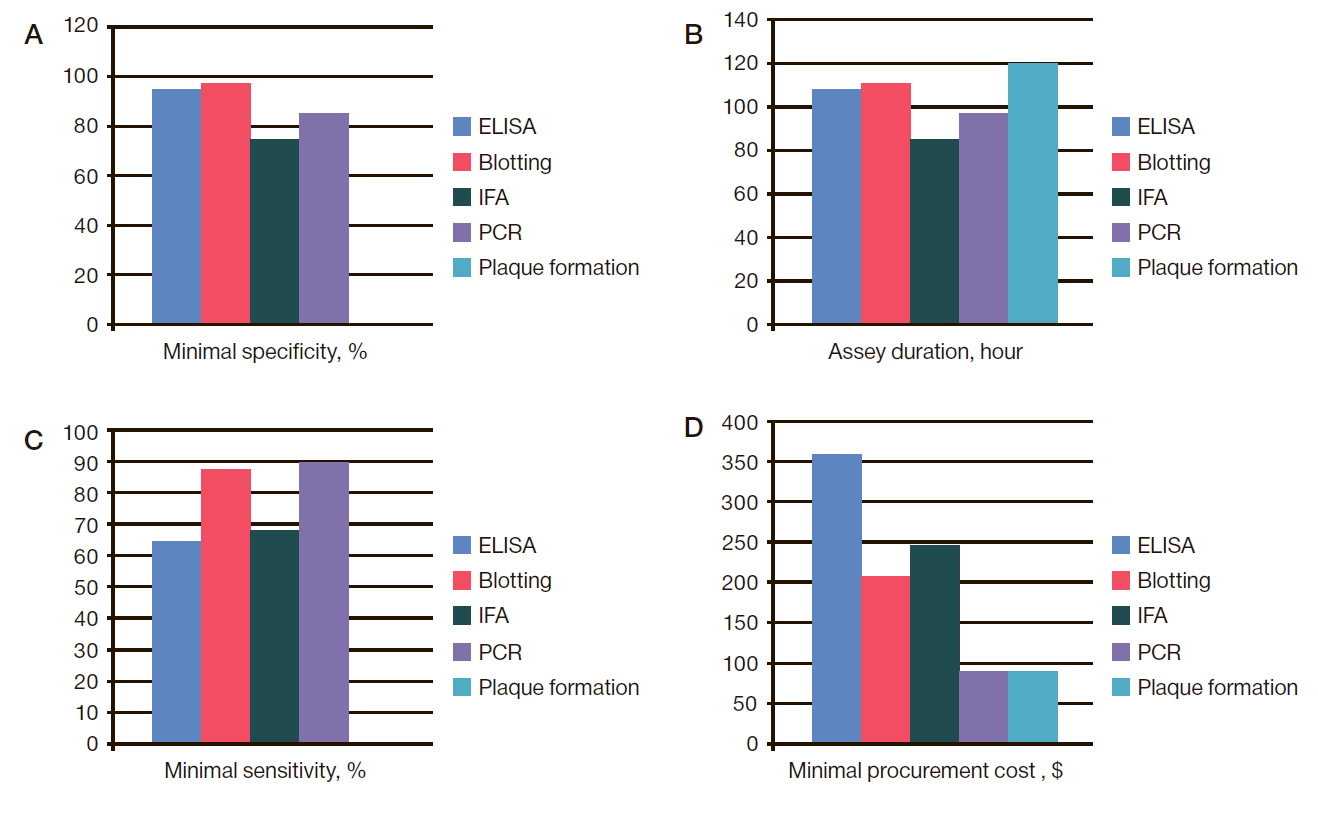
Fig. 1. Comparative analysis of 4 diagnostic systems based on specificity (A), sensitivity (B), assay duration (C), and procurement cost (D) (Data compiled by the University School of Chemistry*Bio*Plus project).
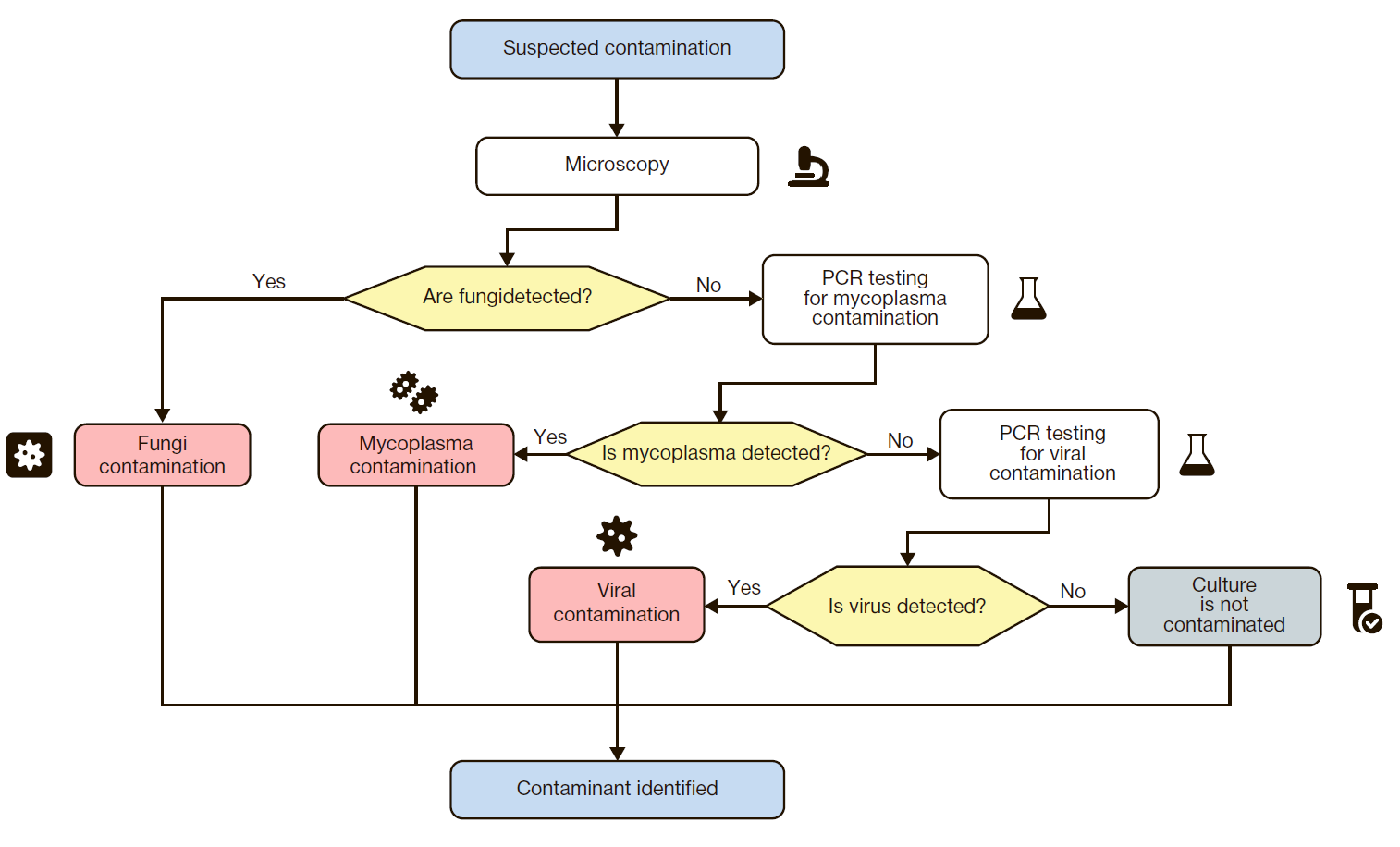
Fig. 2. Detection of cell contamination in a lab (University School of Chemistry*Bio*Plus is currently testing diagnostics while using PCR for mycoplasma and viral contamination)
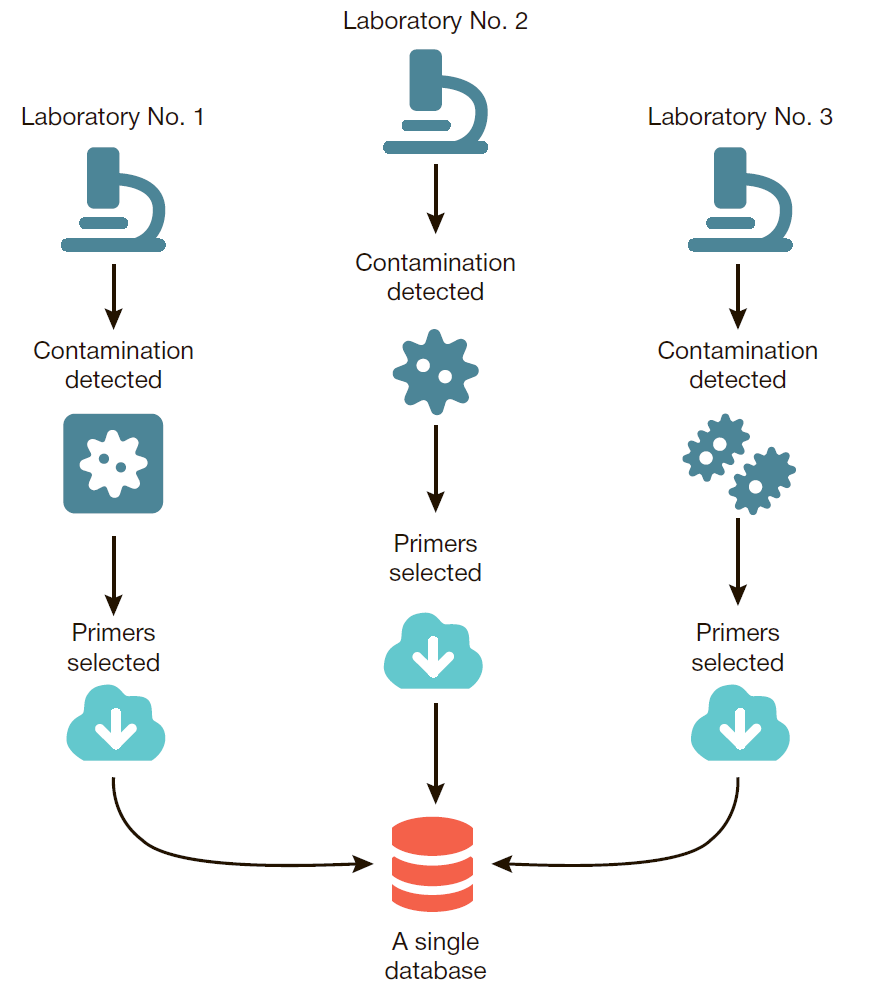
Fig. 3. The protocol for consolidation of a centralized database of laboratory contaminants and their detection within a single institute.